







Welcome to Drydock Magazine
Drydock magazine, celebrating over 40 years in the industry, is the world’s leading authority for ship repair, maintenance and conversion, providing editorial quality, expert knowledge and insights in the ship repair market around the world. Offering comprehensive analysis and comment on all aspects of ship repair, Drydock Magazine is a must read for those who work in this industry.
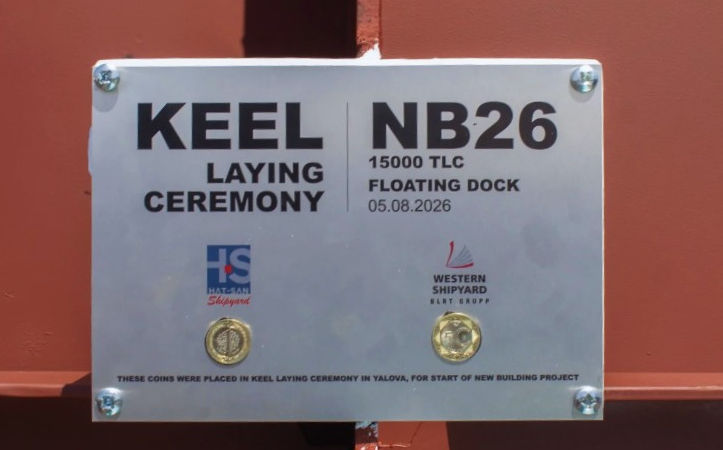
Major milestone for BLRT Grupp
BLRT Grupp has reached another major milestone in the construction of a new 200m-long floating dock for Western Shiprepair
An AWESOME project
AWESOME (Advanced Wind Energy System Optimisation & Monitoring for Efficiency) is a Horizon Europe-funded project that delivers validated tools, standardised methodologies and real-world performance data to reduce uncertainty around wind-assisted propulsion systems (WAPS)
DryDock meets up with good friends at SMM
DryDock magazine with BLRT, MarineShaft, Lisnave Besiktas and Gemak friends at SMM

Cruise and ferry repair showcase
Cruise vessel repairs and maintenance at Damen, Wärtsilä reduces engine overhaul time, a combined rudder trunk and shaft line repair in Greece by MarineShaft, an SGS underwater ALS cruise ship repair and a cruise first for Jotun
Options for marine global decarbonisation
Jason Stefanatos, Global Decarbonization Director at DNV explores options for marine global decarbonisation
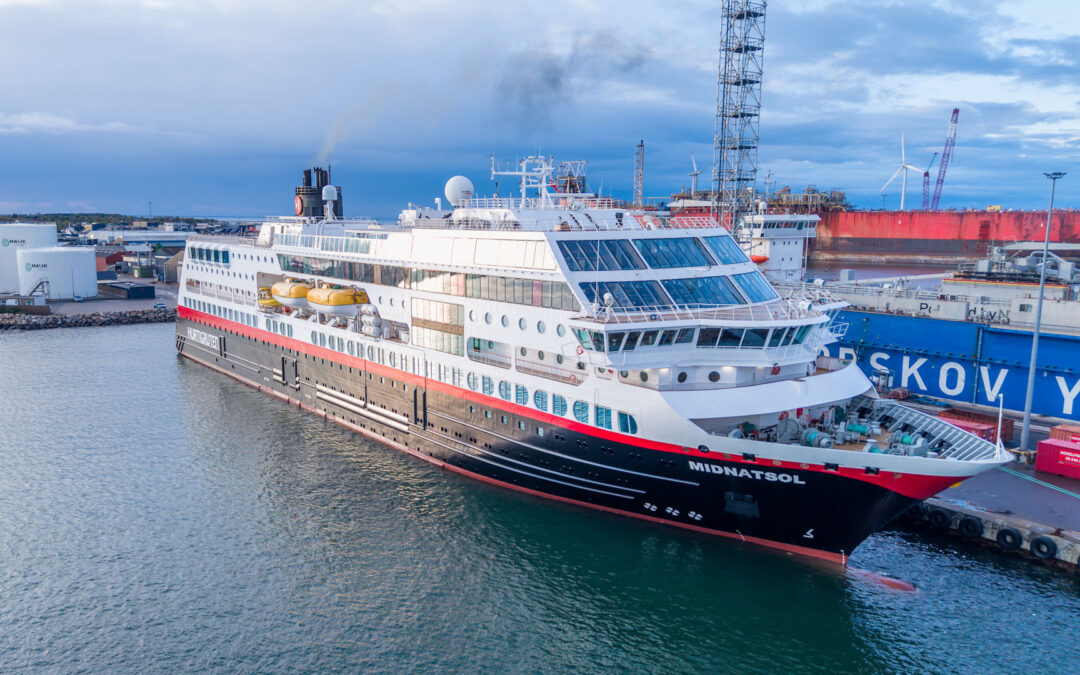
Spotlight on the Nordics
Spotlight on the Nordics with a cruise ship dry docking at Orskov Yard and Stena Line providing the key to lower emissions and more efficient vessels
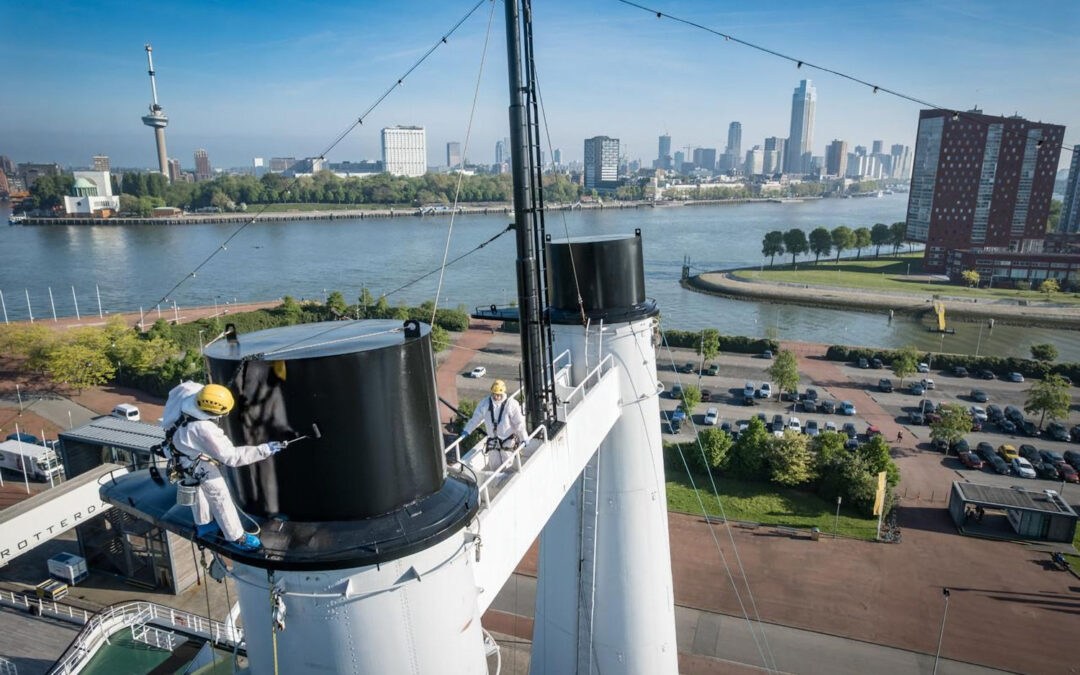
Rethinking onboard maintenance
PPG explains why a straightforward coating onboard maintenance routine can improve consistency and asset protection
An exclusive interview with the new Chairman of IACS
Alex Gregg-Smith is taking over as Chairman of IACS when the maritime industry is at a crucial stage in its technical, digital and environmental evolution
Drydocks World: The evolution of a ship repair yard
Captain Rado Antolovic talks about the evolution of Drydocks World